Taipingshan, where the rails disappear into moss
A day in the old logging mountain moves from its Japanese-era history to mossy cloud forest, cypress and the lines left by its working past.
by Omar and Lou

- Out of Taipei
- about 3-4 h by road the ride in
- Where on the coast
- mountains
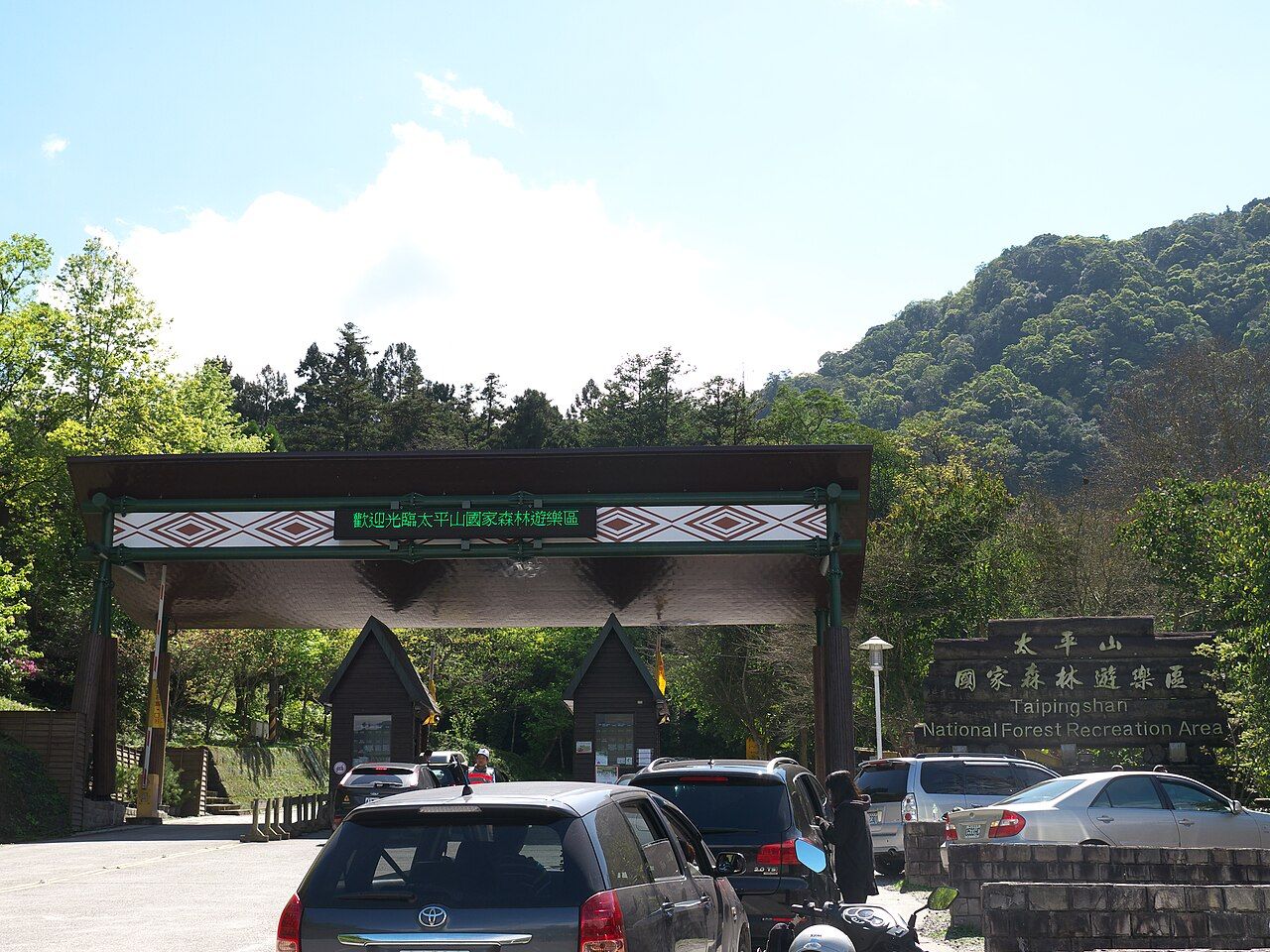
Taipingshan National Forest Recreation Area lies in Datong Township, in the mountains of southwest Yilan, where a day can be read through its changing relationship with the forest. There’s the working mountain in its history, the moss-covered rail line underfoot, and the recreation area that came afterwards; we like having all three in view. The road leaves the Lanyang River valley and climbs through many switchbacks, so the mountain announces itself gradually rather than all at once.
Morning: the mountain’s working past
Logging at Taipingshan began in 1915 under Japanese rule, and the mountain became one of Taiwan’s three great logging areas, alongside Alishan and Baxianshan. Those dates give the place a clear before and after, though the forest itself makes the story feel less tidy than a pair of dates on a page. Taiwan red cypress and Taiwan yellow cypress grew in the old forests here, and their names sit firmly in the history of a place once shaped by logging.
It’s worth letting that history lead the morning, before the trails become the whole story. Taipingshan wasn’t simply a forest that happened to acquire old rail lines; logging was part of what made the mountain an important place, and the lines remain part of how its past is encountered. We found ourselves drawn to that overlap, where the landscape can be beautiful without asking us to forget what happened there.
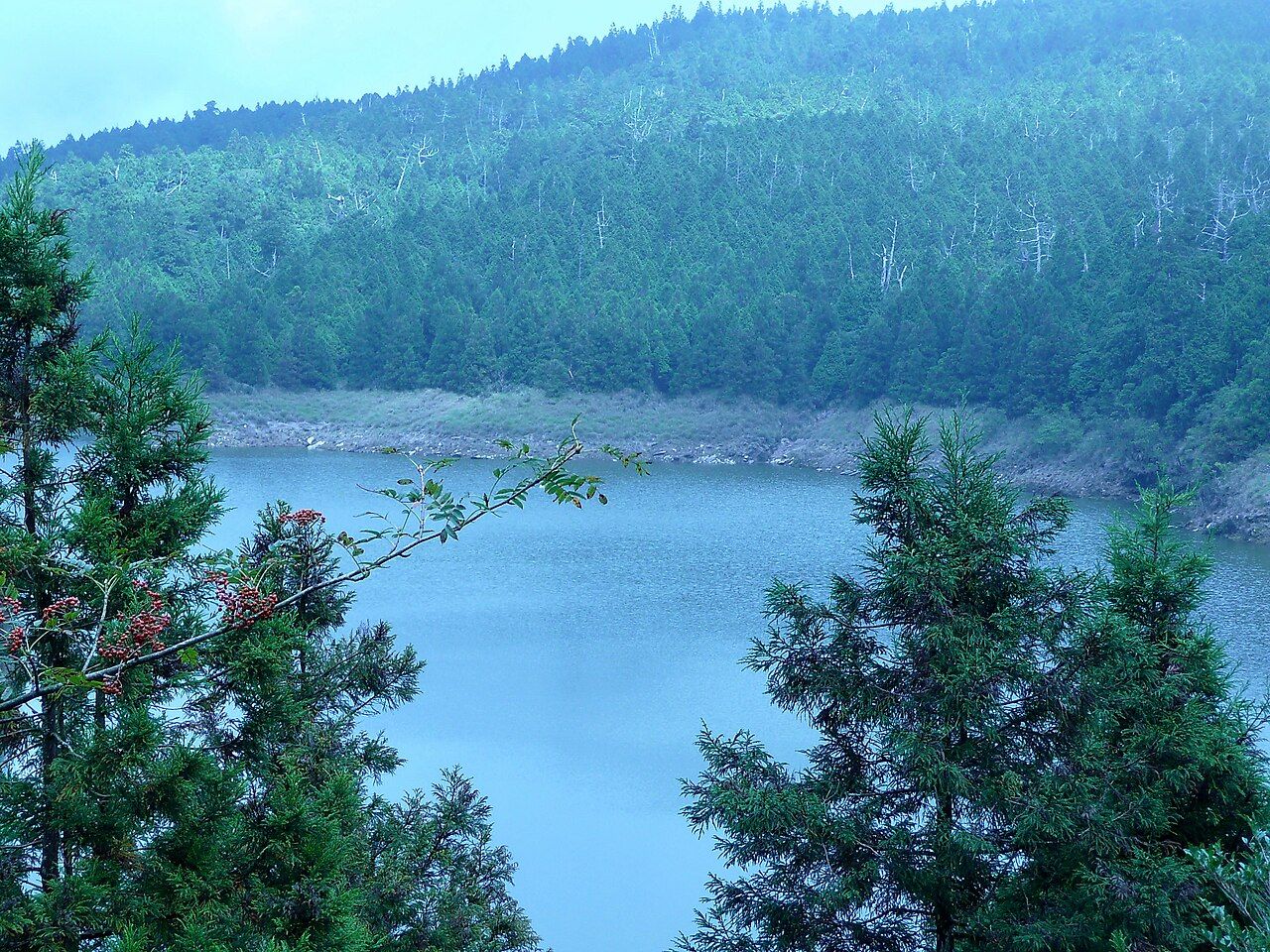
Logging ended in 1982, and the forest opened as a recreation area in 1983. There isn’t a long gap between those two milestones, and the transition gives Taipingshan a particular character: a working landscape turned toward another kind of visit. The main visitor area lies at about 1,950 m, which places the day high in the mountains before the trail has even had its say. For us, that elevation is a useful reminder that the forest isn’t just a backdrop to the history; it’s the place the history was written into.
Midday: follow the green line
The Jianqing Huaigu Trail follows an old logging rail line through mossy cloud forest at Taipingshan. That sentence does a lot of work, and we’d rather take it slowly than hurry past the details: an old line, now a trail, threading through a forest where moss gives the walk its own particular texture. The trail lets the mountain’s old working life and its mossy present occupy the same walk.
The trail lets the mountain’s old working life and its mossy present occupy the same walk.
There’s something appealing about following a route that has not been scrubbed clean of its earlier purpose. The old rail line is there in the trail’s story, while the little train on the old logging line keeps that working past close at hand, and the cloud forest gives the walk a very different emphasis from the mountain’s logging years. We’d probably spend more time noticing the moss than trying to imagine the line as it was used, though that’s the small disagreement between us: one of us keeps circling back to the history.
In a mountain itinerary, the middle of the day can be less about collecting separate sights and more about staying with one place. The Jianqing Huaigu Trail gives that idea a natural shape, because its old line and its mossy forest are already bound together. Nearby in the wider mountain story, the highest lake in these mountains offers another name to keep in mind (the link is a welcome side-road for our thoughts, even when the trail remains the main thread).
Late afternoon: let the forest keep the last word
By late afternoon, we’d rather leave the mountain’s story open than try to turn it into a neat little lesson. The dates matter: 1915, 1982 and 1983 mark the start of logging, its end, and the forest’s opening as a recreation area. But the old forests of Taiwan red cypress and Taiwan yellow cypress, and the rail line through mossy cloud forest, keep those dates from feeling like the whole account. A place can change its purpose and still carry traces of what came before.
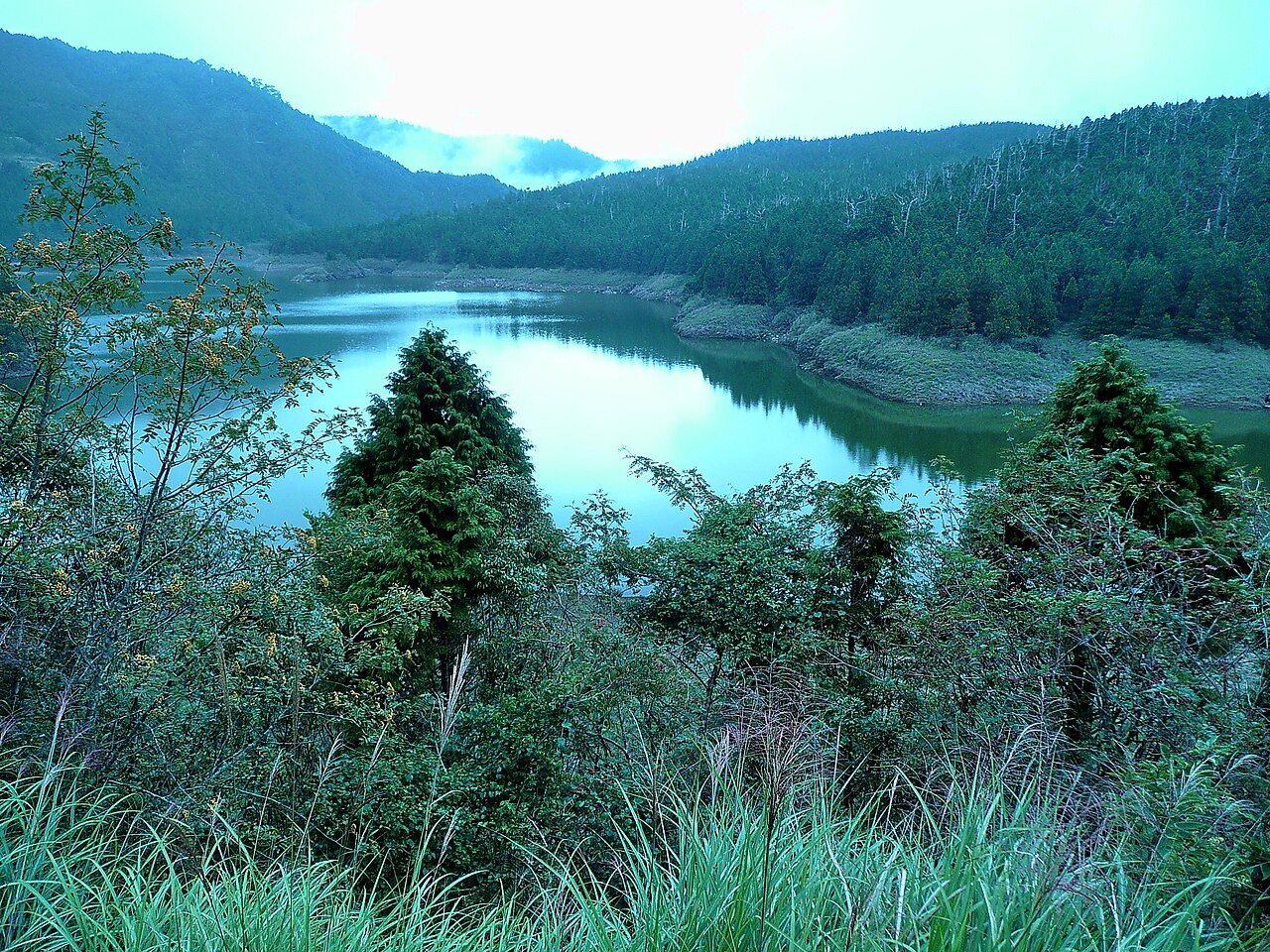
Taiwan’s national forest recreation areas are run by the Forestry and Nature Conservation Agency, which was called the Forestry Bureau until 2023. The name change has a date attached, another small marker in a story made of transitions. And Taipingshan’s story doesn’t stop at the old logging line: on some winter days, snow falls here. It’s a detail that makes the mountain feel capable of changing its mood without changing its past.
So the day’s shape is simple enough: take in the working history in the morning, follow the old line through cloud forest around midday, and let the mountain settle back into view late in the afternoon. The road’s many switchbacks return toward the Lanyang River valley, while the forest remains both a present place and a record of what it once was. We’d leave with that thought, and probably still be disagreeing gently about whether the trail or its history stayed with us longer.
| Taipingshan at a glance | Details |
|---|---|
| Setting | Datong Township, in the mountains of southwest Yilan |
| Main visitor area | About 1,950 m |
| Logging began | 1915 |
| Logging ended | 1982 |
| Forest opened as a recreation area | 1983 |
 Cuifeng Lake in the clouds
 Mingchi’s mountain lake, hour by hour