From Taipei to the coast, by rail or tunnel
A morning train, a tunnel bus, and the question that matters most: are you bound for the coast, Jiaoxi, Yilan city, or Luodong?
by Omar and Lou
- Where on the coast
- whole county
“Trains from Taipei reach Yilan on the Yilan line.”
Morning: choose your kind of arrival
For a trip from Taipei, the first decision isn’t really train versus bus; it’s where on Yilan’s coast and plain you’d like the route to leave you. The railway gives the coast a clear place in the plan, while buses connect Taipei with Jiaoxi, Yilan city and Luodong through the Hsuehshan Tunnel. We’d start by naming the town, then choose the transport that fits it, rather than treating every route into the county as interchangeable.
The Yilan line leaves the main line at Badu near Keelung, then runs about 93 km from Badu to Su'ao. That’s a useful shape to keep in mind: this isn’t just a short branch to Yilan, but a line reaching across the county. It was completed in 1924, and its smaller coast stops make the train an especially natural option to consider when the destination is by the sea.
Express trains take about 1 to 1.5 hours from Taipei. Local trains bound for the small coast stations take longer, often around two hours from Taipei, so the train’s quickest version and its coast-going version aren’t quite the same proposition. We’d pick the express for the shorter ride, and give the local train a look when the stop itself matters more than the shorter ride.
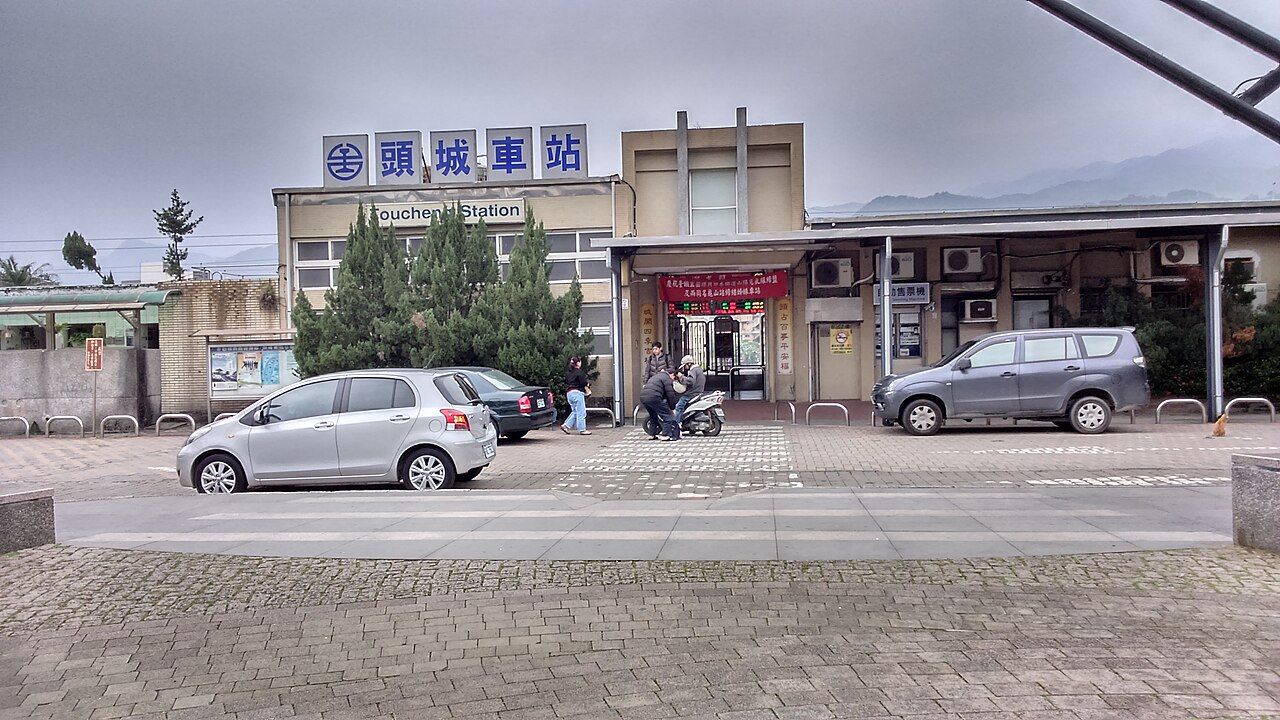
That distinction is easier to hold on to than a grand verdict about which mode wins. If the plan centres on a small coastal stop, the railway’s slower pace is part of the actual route, not an inconvenient footnote to the faster journey. The list of small halts by the sea gives the rail option its own character, while the express makes the direct trip to Yilan the straightforward comparison.
Midday: the tunnel has its own timetable
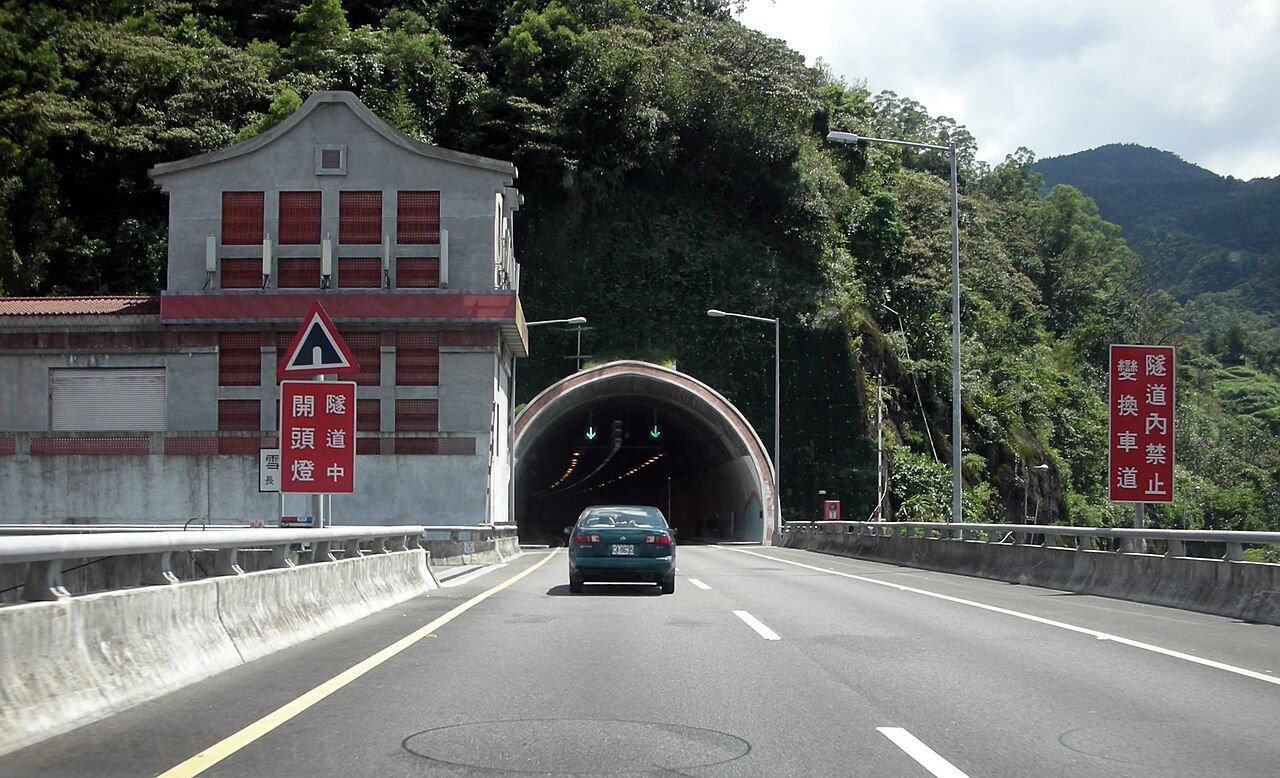
The bus route from Taipei has a different set of destinations in view: Jiaoxi, Yilan city and Luodong. Those buses use National Freeway 5 and the Hsuehshan Tunnel, which makes the road route a practical match for those towns. The train and bus journeys don’t simply offer two versions of the same arrival; the towns named for the bus route are a useful clue to when it suits the day.
There’s a qualification to the easy-looking line on the map. Weekend traffic on Freeway 5 often backs up at the Hsuehshan Tunnel, so the road option can be less predictable in its progress than the route description alone suggests. Taiwan’s national freeways, including Freeway 5, are run by the Freeway Bureau. We’d keep that weekend tunnel traffic in the back of our minds when weighing the bus against the rail timetable.
The useful distinction is not train versus bus in the abstract, but which town you’re aiming for. The bus serves Jiaoxi, Yilan city and Luodong; the train runs to Yilan and on to the small coast stations. That makes the choice fairly legible, even before the details of a particular departure come into play. For Yilan, the express is quick; for a smaller stop on the coast, the local train takes longer.
Toucheng and Wai'ao sit closer to Taipei than Yilan city does, on the coast before the plain. That bit of geography gives the coast a different order in the trip: it comes before the plain, rather than after it. If the destination is Toucheng or Wai'ao, we’d think coast-first; if it’s Jiaoxi, Yilan city or Luodong, the bus route puts those names directly on its list of destinations.
The useful distinction is not train versus bus in the abstract, but which town you’re aiming for.
Late afternoon: let the town settle it
By late afternoon, the same comparison still holds, without needing a complicated rule. The train’s express service takes about 1 to 1.5 hours from Taipei, while the local coast stations often mean around two hours from Taipei. Those rough times make the destination part of the timing: a shorter trip to the plain and a longer one to a small stop by the sea.
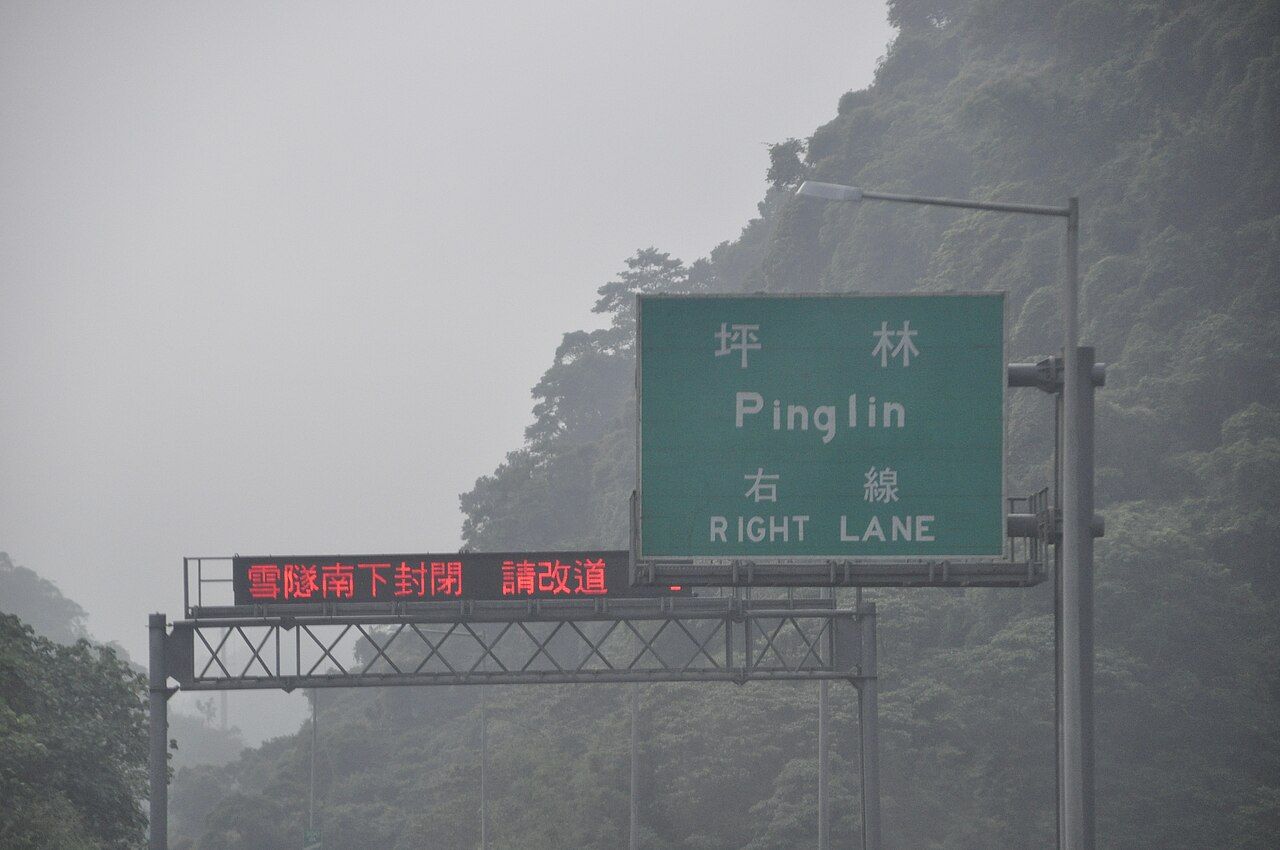
For a bus toward Jiaoxi, Yilan city or Luodong, the important route detail is National Freeway 5 through the Hsuehshan Tunnel. There isn’t a bus journey time in the facts we’re working from, so it’s better not to pretend the road and rail timings can be lined up neatly. Weekend backups at the tunnel are worth remembering; the town names still tell you where this bus route is aimed.
Taiwan Railway publishes its timetables at railway.gov.tw. The state railway became the Taiwan Railway Corporation on 1 January 2024, a change in name that belongs alongside the useful detail of the timetable rather than in the middle of the route choice. We’d use the published schedule to make the express journey or longer coast-station journey fit the town we have in mind.
And there’s a road history behind the modern choice: the old mountain road is another way to picture how different the approaches to Yilan can be, even though this trip’s bus route uses the freeway and tunnel. Between that route and the railway, the coast and plain don’t feel like a single stop with a single answer. A little attention to the town name does most of the sorting for us.
As we fold the route back into the plan, the two arrivals seem clear enough. We’ll take the express for the shorter journey, and accept the longer local train when the coast stop is the point; that’s a tidy enough ending for a journey with two distinct arrivals.
| Route | Fits these destinations | Rough detail |
|---|---|---|
| Express train | Yilan | About 1 to 1.5 hours from Taipei |
| Local train | Small coast stations | Often around two hours from Taipei |
| Bus | Jiaoxi, Yilan city, Luodong | National Freeway 5 and the Hsuehshan Tunnel |
 Through the Hsuehshan Tunnel, under the old divide
 Nine bends and eighteen turns, still in motion
 The little coast stations