When the beaches opened up
From checkpoints and permits to surf breaks within reach of Taipei, the northeast coast’s story is one of access opening gradually, then changing what a coastline could mean.
by Omar and Lou
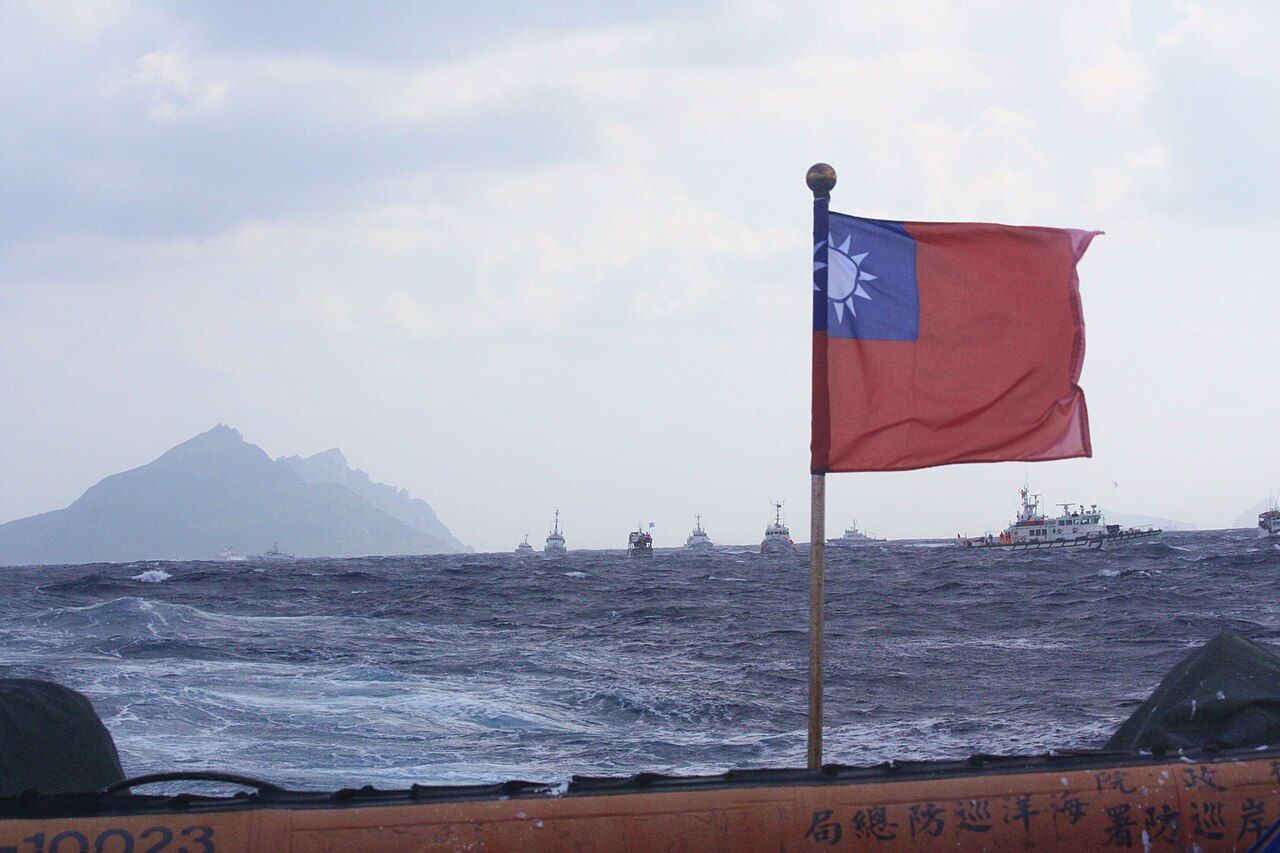
- Where on the coast
- whole coast
“access controlled by checkpoints and permits.”
That phrase gives the coastline a different shape. Taiwan’s coast wasn’t simply a line beside the sea; under martial law, much of it was guarded, and reaching it could mean checkpoints and permits. Boats and swimmers were closely watched. We find ourselves thinking about how much those rules changed the meaning of a beach, before surfing had a chance to change it again.
Morning offers a way into this, though this isn’t a story about a particular morning. Martial law was in force in Taiwan from 1949 to 1987, and coastal access opened up gradually after it was lifted. Gradually matters here: a legal turning point is a date, but the coast’s opening was a process. We like that distinction, even if one of us would rather skip straight to the waves.
Morning, with the coast still watched
During the martial law decades, boats and swimmers along the coast were closely watched, while access to much of the shoreline was controlled. A coastline can look continuous on a map, but that doesn’t mean people can move freely along it. The contrast is hard to miss: water and shore on one side, checkpoints and permits on the other.
Even after 1987, the change didn’t happen all at once. Coastal access opened up gradually, and Guishan Island stayed a military zone until it opened to visitors in 2000. That later date gives the longer transition a clear point to hold onto, though it doesn’t turn the story into a neat overnight change.
Midday, when surfing starts to grow
Surfing in Taiwan grew quickly from the 1990s onward. There’s a satisfying plainness to that fact: access began to open, and surfing grew. We wouldn’t pretend that one explains every part of the other, but together they tell us something about how a coast can become available for new uses.
Then, in 2006, the opening of the long tunnel under the mountains brought Yilan’s beaches within easy reach of Taipei. That’s a practical change with a larger echo. The northeast coast near Toucheng became one of Taiwan’s main surf areas because of its closeness to Taipei, and the tunnel made that closeness easier to feel.
We’re partial to this stretch of the account because the geography stays in view: a tunnel, a city, beaches in Yilan, and a northeast coast whose place in Taiwan’s surf life grew. It isn’t a tale of surfing appearing from nowhere. The opening of the coast came in stages, and then the sport grew quickly through the 1990s and onward.
Late afternoon, with more than one coast in view
The northeast coast is central to this story, but it isn’t the whole of Taiwan’s surf picture. Taitung, on the southeast coast, hosts international surf contests at Jinzun Harbour. We like having that wider view at the end: one coast became a main surf area near Taipei, while another hosts contests farther southeast.
By late afternoon, the story has shifted from restrictions to access, and from access to a sport that grew quickly. It’s still a history of gradual openings, not a single grand gesture. That feels right to us; a coastline doesn’t change its meaning in one moment, even when a date gives the change a name.
| Moment | Coast story |
|---|---|
| 1949 to 1987 | Martial law was in force; much of the coastline was guarded. |
| After 1987 | Coastal access opened up gradually. |
| 2000 | Guishan Island opened to visitors. |
| 2006 | The Hsuehshan Tunnel brought Yilan’s beaches within easy reach of Taipei. |
| From the 1990s onward | Surfing in Taiwan grew quickly. |
 Tides, sandbars and a wave's changing shape
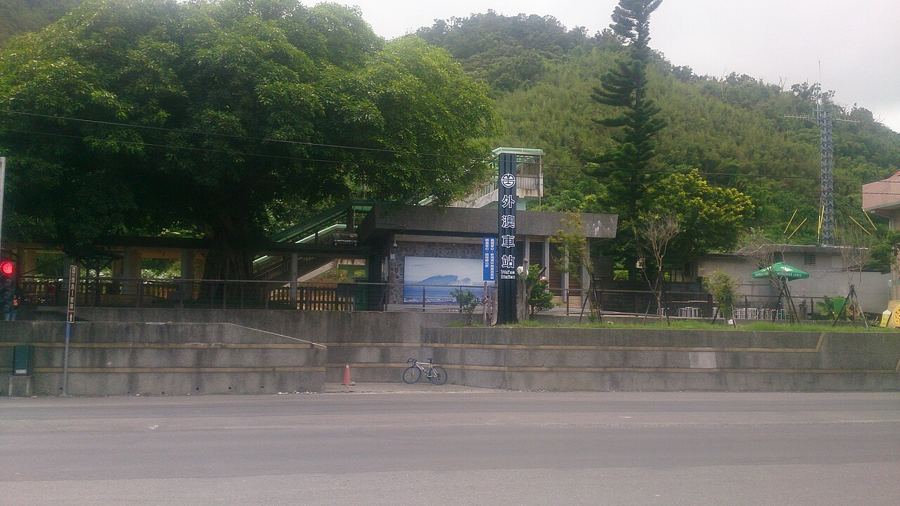 Wai'ao, where the sandbars keep moving