Tides, sandbars and a wave's changing shape
On Yilan's coast, the tide is only part of the story. Sandbars shift, storms move sand, and a wave can change from peeling to closing out.
by Omar and Lou
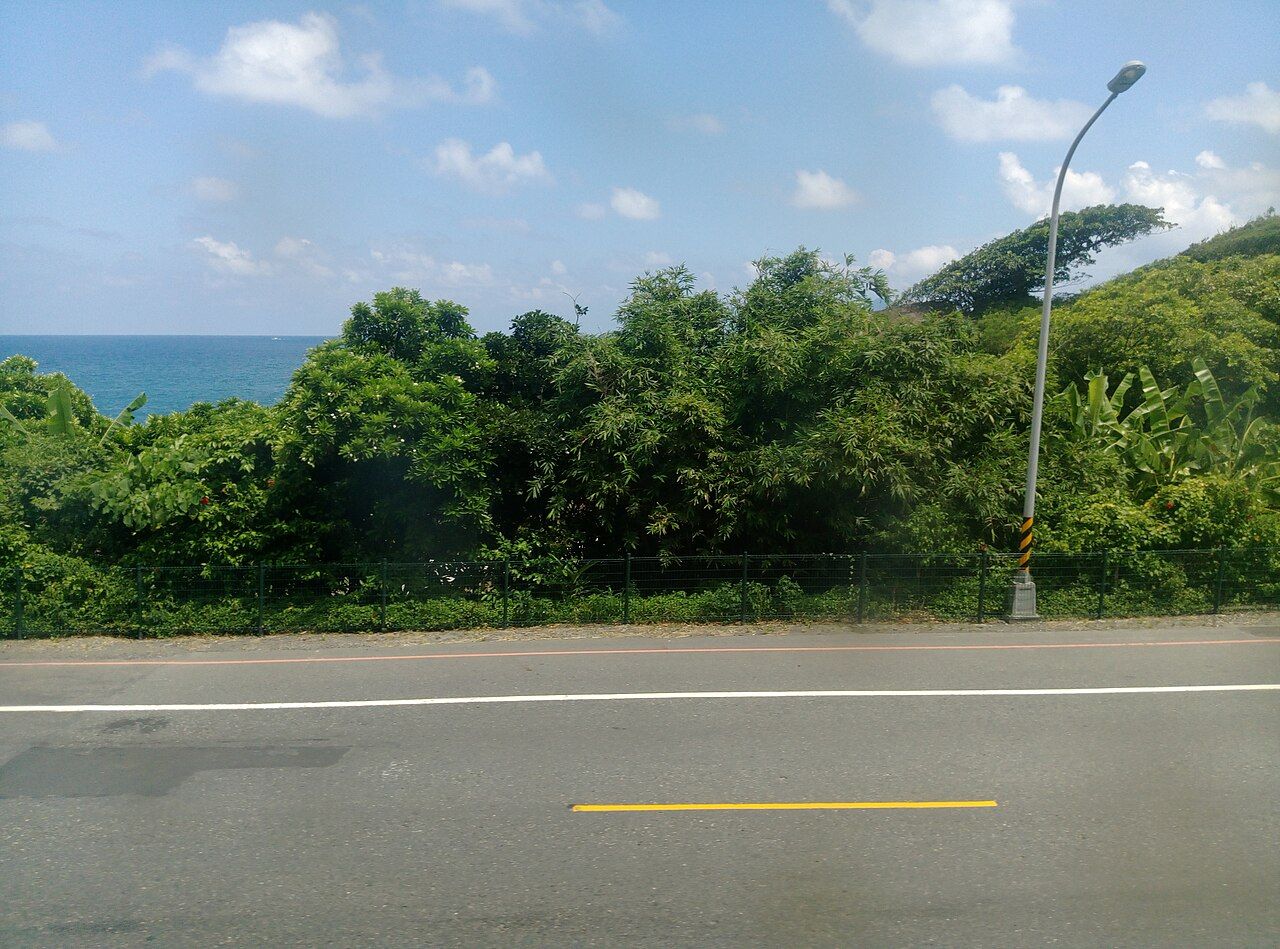
- Where on the coast
- whole coast
“The tidal range on Taiwan's northeast coast is small, usually around one metre or a little more.” That’s a useful place to begin, though it doesn’t explain why the same beach can feel different on another visit.
Morning: start with the tide, then look down
Taiwan’s tides follow a mostly semidiurnal pattern, with two highs and two lows in a day. The water level changes, but the range is small; on a beach break, the wave’s meeting with the sandbar is another big part of the shape we see.
A wave breaks where the swell meets a sandbar. If that bar runs across the wave’s path in a fairly continuous line, the wave may break along its whole length at once, closing out instead of peeling. The name of the beach can stay the same while the sand underneath has quietly altered the arrangement.
For us, that’s a better morning picture than treating the tide as a switch that turns a beach on or off. The tide has its daily rhythm, while the bars give the incoming wave a changing place to meet the shore.
Midday: mind the gaps
Gaps between sandbars matter just as much as the bars themselves. They let waves peel rather than break all at once, and they also form channels for water to flow back out; the dark channels of a rip belong to the same moving arrangement.
That’s why a week with a wave peeling along a gap can give way to a week of close-outs, even on the same stretch of coast. The difference isn’t necessarily a dramatic change in the tide; it may be that the bars have flattened, shifted offshore, or lost the openings that let a wave travel along them.
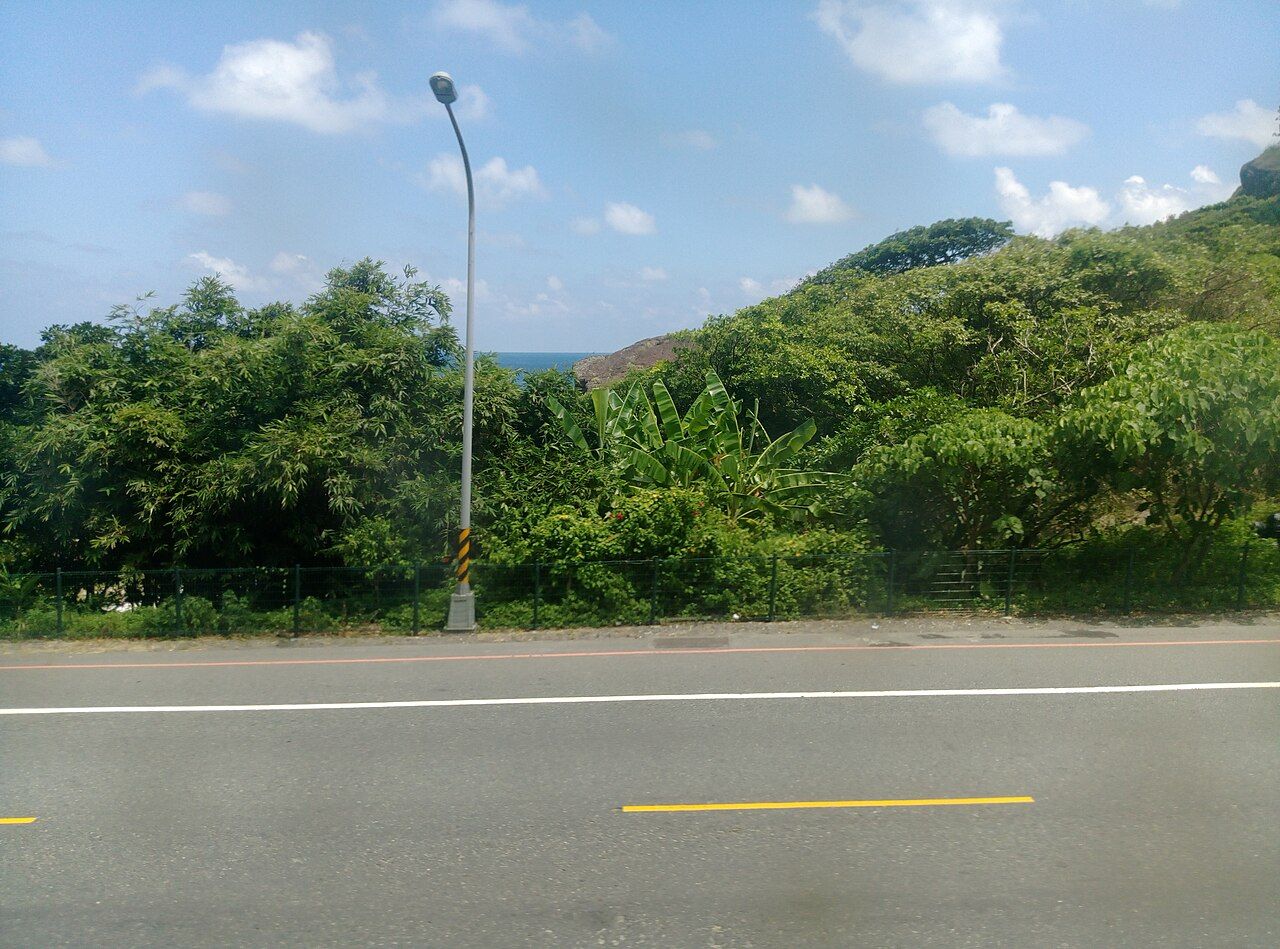
Big storms can flatten sandbars or move them further offshore, changing where the swell meets the sand. Then calmer weather slowly pushes sand back toward shore. It’s a gradual rearranging, not a neat reset, so the shape of a beach break can keep changing as the sand moves.
Late afternoon: follow the sand home
On Yilan’s coast, the Lanyang and other rivers bring fresh sand and gravel after heavy rain. That gives the coastline another source of material, while harbour breakwaters and jetties trap sand on one side and change the bars nearby.
We like this part of the explanation because it makes a beach feel less like a fixed stage and more like a conversation between water and sand. The tide sets a small daily rise and fall; storms, river-borne material, and structures along the shore all help shape the ground where waves break.
By late afternoon, the simple scene we carry away is a wave meeting a bar: sometimes breaking all along at once, sometimes finding a gap and peeling. The tide is there in the picture too, but it doesn’t get the last word.
| Moving part | What it can do |
|---|---|
| Tide | Two highs and two lows in a day; the range is usually around one metre or a little more. |
| Sandbars and gaps | Shape where waves break; gaps can let waves peel and give water a way back out. |
| Storms and calmer weather | Storms can flatten bars or move them offshore; calmer weather slowly pushes sand shoreward. |
| Rivers and harbour structures | Rivers bring sand and gravel after heavy rain; breakwaters and jetties trap sand and change nearby bars. |
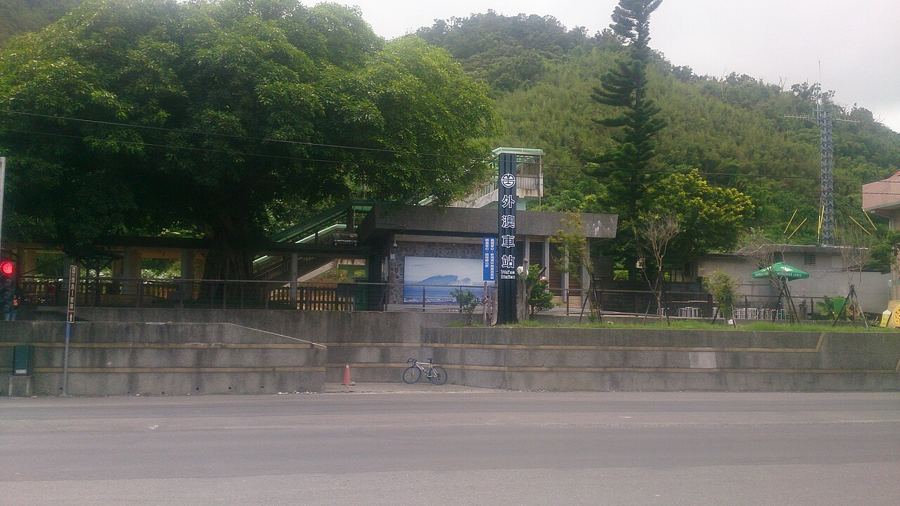 Wai'ao, where the sandbars keep moving
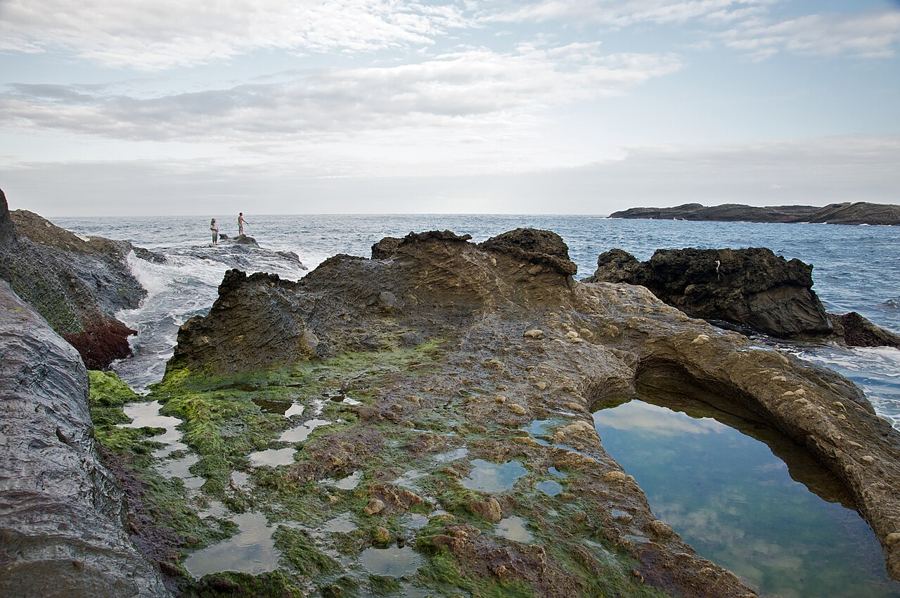 Surf seasons on the northeast coast
 Typhoon warnings, rips and a coast rearranged